
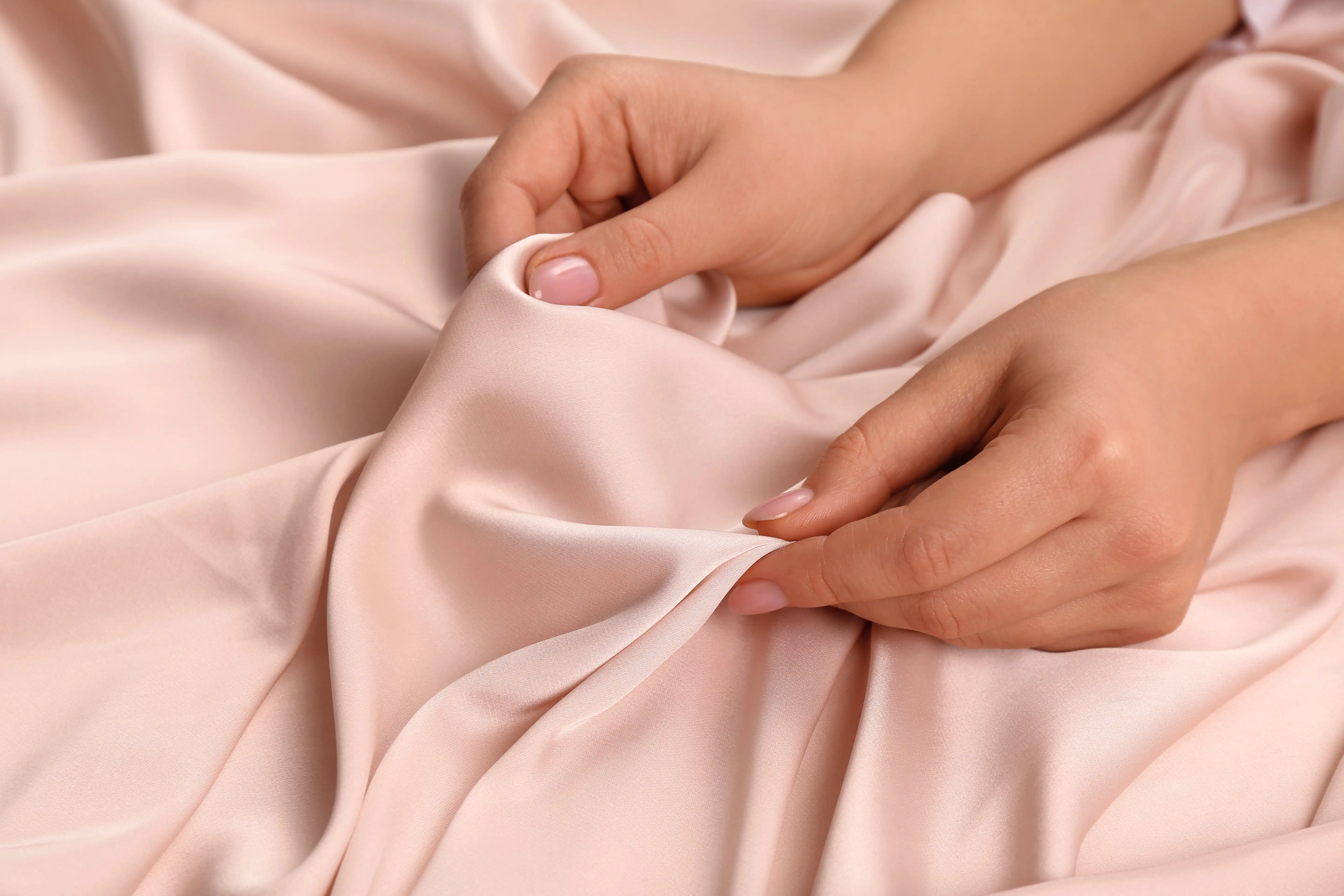
Delicate fabrics—whether they’re your favorite silk blouse, a cherished cashmere sweater, or a lace garment—require special care to maintain their beauty and longevity. Washing them without the right knowledge can lead to damage like shrinking, stretching, or fading. At Tommy Suds, we’ve seen firsthand the results of improper fabric care and are here to help you avoid those mishaps. In this post, we’ll dive into the expert tips and techniques we recommend to keep your delicate fabrics looking fresh, soft, and vibrant for years to come.
1. Know Your Fabrics
Before anything, understanding the specific needs of your delicate fabrics is key. Each fabric type reacts differently to washing and drying, so make sure you know what you’re working with. Here are a few common delicate fabrics and their key characteristics:
- Silk: This luxurious fabric is lightweight and soft, but it can easily lose its luster if treated incorrectly. It’s prone to shrinking and fading, so gentle handling is essential.
- Linen: A natural fiber that’s breathable and cool, linen is prone to wrinkling and shrinking. While durable, it still needs a gentle touch in the laundry.
- Cashmere: Cashmere is extremely soft and warm, but also highly sensitive to heat and agitation. Even a little mishandling can cause pilling or stretching.
- Lace: Often made of cotton, silk, or synthetic fibers, lace is delicate and prone to tearing if washed or handled too roughly.
- Chiffon: Made from silk, cotton, or synthetic fibers, chiffon is light, airy, and sheer. It’s incredibly delicate and needs extra caution in washing to avoid tears and snags.
2. Always Read the Care Labels
The care labels on your garments are there for a reason! They provide essential information about how to wash, dry, and iron your delicate pieces. If a label reads “dry clean only,” resist the urge to toss it in the washing machine. Many delicate fabrics require hand-washing, specific water temperatures, or a specific drying method.
Take note of symbols on the care label, which indicate whether a fabric should be washed in hot or cold water, if bleach can be used, or if tumble drying is safe.
3. Use the Right Detergent
When it comes to delicate fabrics, not all detergents are created equal. Regular detergents can be too harsh, potentially breaking down the fibers of your delicate clothing over time. Instead, opt for a mild detergent designed specifically for delicate fabrics or wool.
For natural fibers like silk, cashmere, or wool, use detergents free from enzymes or bleach, as these ingredients can be too aggressive and cause damage. Consider using baby shampoo as a substitute for a mild wash on extremely delicate pieces if you don’t have a specialized detergent handy.
4. Hand Wash When in Doubt
Hand washing is often the safest method for cleaning delicate fabrics. It gives you complete control over the washing process, reducing the chances of damage from a machine’s spinning or agitation.
Here’s a simple step-by-step guide to hand washing delicate items:
- Fill a basin with lukewarm water – Avoid hot water as it can cause shrinking.
- Add a small amount of delicate-friendly detergent – Swirl it into the water until it dissolves.
- Submerge your garment – Gently press the fabric into the water, letting it soak for about 10-15 minutes.
- Rinse with cold water – After soaking, drain the soapy water and refill the basin with cold water to rinse away the detergent.
- Press out excess water – Never wring out delicate fabrics! Instead, gently press the water out by folding the garment in a towel and applying light pressure.
5. Machine Washing: Use a Delicate Cycle
If your garment’s care label indicates it’s safe for machine washing, be sure to use the delicate or gentle cycle. This cycle operates with a slower spin speed and less agitation, which is better for fragile fabrics. Here are a few extra tips to protect your delicates during machine washing:
- Use a mesh laundry bag: Placing your delicates in a mesh bag will protect them from being snagged or stretched by zippers or buttons on other items.
- Turn garments inside out: This helps protect the outer fabric surface from friction, especially important for silk or embroidered items.
- Opt for cold water: Cold water helps prevent shrinking and color bleeding.
6. Drying Delicate Fabrics: Air Dry is Best
The tumble dryer is often too harsh for delicate fabrics, with high heat causing shrinking, wrinkling, or damage to fibers. Instead, opt for air drying whenever possible.
- Lay flat to dry: Some delicate fabrics like wool or cashmere can stretch if hung to dry. Instead, lay these items flat on a clean, dry towel and reshape them while they’re damp.
- Hang with caution: If hanging to dry is your only option, make sure to use padded hangers for delicate items like silk blouses to avoid creating shoulder marks.
- Avoid direct sunlight: Sunlight can cause fading or discoloration in delicate fabrics. Always dry items in the shade or indoors to preserve their color.
7. Steaming vs. Ironing
Ironing can be risky for delicate fabrics, especially those prone to scorching or burning. If you must iron, use a low-heat setting and place a clean cloth between the iron and your garment. However, steaming is often a better option, as it relaxes wrinkles without direct contact with the fabric. Be cautious when using a steamer on fragile materials like lace or chiffon to avoid overstretching.
8. Store Delicate Fabrics Properly
The way you store your delicate fabrics can also affect their longevity. Here’s how to keep them in top shape:
- Fold, don’t hang: Hanging delicate fabrics can cause them to stretch out of shape, especially for heavy items like cashmere sweaters. Fold them neatly instead.
- Use breathable storage: Avoid plastic garment bags, which can trap moisture and lead to mildew. Opt for breathable fabric garment bags or simply store items in a dry, well-ventilated space.
- Keep away from direct sunlight: Like with drying, too much exposure to sunlight can cause fading and weakening of delicate fabrics.
9. When to Seek Professional Help
If you’re unsure about how to clean a particular delicate garment, or if the care label specifies “dry clean only,” it’s best to trust the professionals. At Tommy Suds, our team specializes in handling delicate fabrics with care, using the best equipment and cleaning agents to ensure your items stay in pristine condition. Our expert team can assess each piece individually and choose the right treatment to keep your garments looking their best.
Care Equals Longevity
Taking the extra steps to properly care for your delicate fabrics can extend their life and keep them looking as good as new. By understanding your fabrics, using gentle washing methods, and avoiding common mistakes, you can keep your delicate garments in tip-top shape. And when in doubt, don’t hesitate to bring them to laundry professionals like Tommy Suds, where we make fabric care our business.
Taking good care of your clothes not only saves money in the long run but also helps you enjoy your favorite pieces for years to come. Now, go ahead and pamper your delicates—they deserve it!
